Chef-Designed Bangkok Food Tour for 8 Exclusive Guests — 4 Hours, $80 (2026)
The chef-designed Bangkok food tour for 8 exclusive guests is unlike any other food experience in the city: a professional Bangkok chef takes a maximum of 8 people through the neighbourhoods that feed this city, stopping at the stalls, shophouses, and market corners that only insiders know. At $80 for 4 hours with a 4.9★ rating across 512 reviews, it is among the highest-rated food tours available in Thailand's capital. Every dish is chosen for a reason, every stop has a story, and the tiny group size means genuine conversation and real access. Browse all bangkok thailand tours if you want to compare the full range of experiences first — or read on for everything you need to know about this particular tour.
About This Activity
Cancel up to 24 hours before the tour starts for a full refund — no questions asked.
Maximum 8 guests guaranteed. This is not a large group tour — the intimate size is a core part of the experience.
4 hours of guided tasting, walking, and storytelling through Bangkok's most food-rich neighbourhoods.
8–10 curated food tastings, all dishes and drinks during the tour, and an English-speaking professional chef as your guide.
Your guide is a working Bangkok chef — not just a food enthusiast — with professional kitchen experience and deep knowledge of Thai cuisine's regional traditions.
4.9★ across 512 verified reviews on GetYourGuide, making this one of Bangkok's top-rated food experiences.
What Makes This Bangkok Food Tour Different
Most Bangkok food tours operate with 15 to 25 people, which means you are essentially following a flag through crowds, eating what you are handed, and rarely getting to speak with your guide. This chef-designed tour caps every departure at 8 guests — a limit that fundamentally changes the experience.
Because the group is small, the chef can take you to spots that would be impossible with a larger crowd: narrow shophouse kitchens, family-run stalls with only a handful of seats, and market corners where vendors cook to order rather than in industrial quantities. You eat better food because you can access better places.
The other difference is the guide. A working Bangkok chef reads a kitchen differently from a general tour guide. They can explain why a particular curry paste uses galangal instead of ginger, how the wok technique at a particular noodle stall differs from the norm, and which vendors in a market have been using the same recipe for three generations.
That level of insight turns a tasting walk into a genuine culinary education.
The $80 price point reflects what is included: 8 to 10 full tastings, all drinks during the tour, the expertise of a professional chef, and the guarantee of a genuinely private experience. Compared to a chef's table dinner in Bangkok, which can cost double or more, this tour delivers exceptional value per dish and per insight.
What Dishes You Will Eat on This Bangkok Food Tour
The exact menu changes by season and by what is freshest on the day, which is part of what makes this a chef-designed experience rather than a scripted walk. That said, the categories of dishes remain consistent, and the chef always explains why each has been chosen.
Street Food Classics
Expect to encounter the dishes that define Bangkok's street food identity:
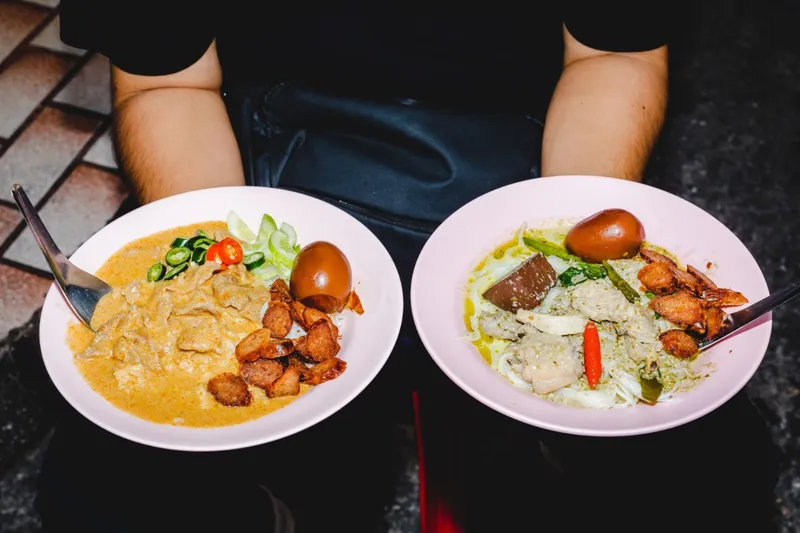
- Pad kra pao — stir-fried holy basil with minced pork or chicken, served over rice with a fried egg, one of Thailand's most-eaten everyday dishes
- Kuay teow — Thai noodle soup in a rich pork or beef broth, chosen from a vendor the chef considers among the city's best
- Som tum — green papaya salad with dried shrimp, peanuts, and a balance of sour, sweet, and heat that varies significantly by region
- Moo ping — grilled pork skewers marinated overnight, a Bangkok breakfast staple that the chef reframes as essential street food any time of day
Market Tastings and Desserts
The second half of the tour typically moves through a covered market where desserts, tropical fruits, and prepared dishes sit side by side:
- Khanom krok — small coconut milk pancakes cooked in a dimpled iron pan, crispy at the edges and custardy in the centre
- Mango sticky rice — ripe Thai mango with glutinous rice and sweetened coconut cream, only at its best during the right months
- Fresh tropical fruit — chosen by the chef based on what is at peak ripeness that day, often varieties not found in Western markets
- Thai iced tea or fresh-pressed sugarcane juice to balance the heat between savoury tastings
A Wild Card Dish
Every departure includes at least one dish the chef selects on the spot — something they spotted in the market, a seasonal preparation, or a vendor who is cooking something exceptional that day. This is intentional: it gives guests a genuine Bangkok market experience rather than a rehearsed routine.
The Neighbourhoods You Will Visit
The tour covers two to three Bangkok neighbourhoods chosen for culinary depth rather than tourist visibility. The exact route evolves with the city, but the areas below represent the most frequent stops.
Bang Rak and Silom
Bang Rak is one of Bangkok's oldest trading districts, where Chinese merchants, Thai vendors, and Indian spice traders have cooked side by side for over a century. The street food here reflects that layered history: you will find dishes that are ostensibly Thai but carry unmistakable traces of Hokkien, Cantonese, and South Indian cooking. Silom's daytime market corridors offer some of the city's most concentrated street food, and the chef knows which carts to seek out.
Tha Tien and the Old City Fringe
Near the river landing at Tha Tien, the food culture predates Bangkok's modern food court era by centuries. Vendors here have been feeding temple workers, market traders, and river workers since before the city had a name. The narrow lanes behind Pak Khlong Talat (the flower market) hide some of the most authentic early-morning and mid-morning food culture in Bangkok, and a small group can move through these spaces in a way a large tour simply cannot.
A Local Market (Seasonal)
Depending on the day and the chef's assessment of what is worth eating, the tour may also incorporate a neighbourhood wet market — the kind of covered market where residents shop rather than tourists browse. These spaces are where you see the raw ingredients behind Bangkok's food culture: live seafood, fresh-cut herbs, prepared curry pastes, and vendors who have supplied the same restaurants for decades.
About Your Chef Guide
The guides on this tour are not food enthusiasts or generic tour leaders — they are working Bangkok chefs with professional kitchen credentials. Each guide has trained in Thai cuisine at a professional level, whether through formal culinary school, apprenticeship in a restaurant kitchen, or both.
That background changes the texture of the experience. A chef notices things a non-cook would miss: the temperature of the oil in a wok, the ratio of fish sauce to lime in a dressing, the way a vendor's hands move when they are cooking something they have made ten thousand times. They translate those observations into explanations that make the food make sense — not just taste good, but actually mean something.
Because the group is limited to 8 people, there is room for genuine back-and-forth conversation. Guests with dietary questions, cooking curiosity, or interest in Thai food history will find the chef genuinely engaged rather than reciting a script. Several past guests have described this as the single most educational food experience of their trip.
Tour Itinerary — 4 Hours Step by Step
-
09:00
Meet at the Starting Point
The group assembles at the designated meeting point — a landmark in the Bang Rak area. The chef introduces themselves, outlines the route, covers any dietary considerations within the group, and explains what to expect at each stop. Group size confirmed at this point: if all 8 slots are filled, the tour runs at full capacity; early mornings often have 4–6 guests.
-
09:15
First Stop — Morning Noodles
The tour begins with Thai noodle soup at a vendor the chef has selected for broth quality rather than fame. The chef explains the regional differences between Bangkok-style and northern Thai noodle soups, the role of the various condiments on the table, and why this particular bowl is worth starting with. This sets the tone: genuine food, genuine context.
-
09:45
Grilled Skewers and Street Snacks
Moving through a busy morning lane, the group stops for moo ping and one or two market snacks chosen on the day. The chef discusses Bangkok's breakfast culture — how locals eat before office hours, what vendors open at dawn and why, and how the food available at 9am in Bangkok differs fundamentally from what you would find at a tourist breakfast buffet.
-
10:20
Market Walk and Ingredient Exploration
The group enters a neighbourhood wet market. The chef is not buying food here — they are teaching. Stops at herb vendors, curry paste stalls, and fresh produce sections give guests a grounding in the raw building blocks of Thai cuisine: galangal versus ginger, Thai basil versus Italian basil, the five or six varieties of chilli that each play a different role in the cooking.
-
10:50
Stir-Fry Stop — The Chef's Chosen Wok
Pad kra pao or a similar stir-fried dish at a shophouse the chef considers genuinely excellent — not Instagram-famous, just consistently good. The chef explains the wok technique, the heat levels involved, and why Thai stir-fry dishes at their best bear little resemblance to what is served in Thai restaurants abroad. Guests eat at tables if available, or standing if not.
-
11:20
Dessert Lane — Coconut Pancakes and Seasonal Sweets
A stretch of the route dedicated to Thai sweets: khanom krok cooked fresh in front of the group, plus one or two other desserts chosen for the day. The chef contextualises Thai desserts within the broader cuisine — why sweetness tends to come at the end of a meal rather than throughout, the role of coconut milk, and how dessert culture differs between Bangkok and the Thai countryside.
-
11:50
The Wild Card Stop
Every departure includes a stop chosen entirely on the day — something the chef spotted in the market, a vendor cooking a seasonal preparation, or a dish that is simply exceptional right now. This is not filler: it is the most Bangkok-authentic moment of the tour, because it reflects how the city actually eats, which is opportunistically and seasonally rather than according to a fixed menu.
-
12:30
Final Tasting and Farewell
The tour closes with a final drink — Thai iced tea, fresh sugarcane juice, or something seasonal — and a brief debrief from the chef on where to eat for the rest of your Bangkok trip. They will recommend specific dishes and vendors based on where you are staying and what you enjoyed most during the tour. The group disperses from a central point with easy access to taxis, the BTS Skytrain, and river boats.
Important Things to Know Before You Book
What to Bring
Come prepared for a comfortable morning in Bangkok's heat and humidity:
- Light, breathable clothing — you will be walking and standing outdoors in tropical temperatures
- Comfortable walking shoes suitable for uneven market floors and wet surfaces
- A small amount of Thai baht for any personal purchases at market stalls (the tour tastings are fully covered)
- A reusable water bottle — the chef will point you to the best spots to refill, and staying hydrated is essential on a 4-hour food walk
- A camera or fully charged phone for market photography
- Any medication for food allergies you are managing — inform the chef at the start of the tour as well
Not Allowed
- No smoking during the tour — this is a food experience and the chef and other guests are tasting throughout
- No arriving more than 15 minutes late — the tour starts promptly and early stops cannot be backtracked
- No sharing the tour slot with non-booked guests — the 8-person cap is a hard limit that is managed strictly
Dietary Information
This tour can accommodate vegetarians with advance notice: inform the operator when booking and the chef will substitute plant-based options at relevant stops. Vegans and guests with severe allergies should contact the operator directly before booking to confirm what is and is not possible — Thai cuisine uses fish sauce and shrimp paste extensively, and not every stop has a substitute. Halal dietary requirements can often be accommodated; again, advance notice is essential.
Physical Requirements
The tour involves approximately 2 to 3 kilometres of walking on uneven surfaces, with intermittent standing at market stalls. There is no running or strenuous activity. Most guests in reasonable health, including older travellers and families with older children (12+), complete the tour comfortably.
The tour is not suitable for guests who use wheelchairs or who have significant mobility limitations, as many of the best food stops are in narrow lanes and covered markets without ramps or lifts.
Who This Tour Is For
Best For
- Food lovers who want more than a walking tasting — people who want to understand Thai cuisine, not just sample it
- Small groups of friends or couples who prefer an intimate experience over a large-crowd tour
- Travellers who have visited Bangkok before and are ready to go beyond the tourist food circuit
- Serious home cooks who want context and technique behind the dishes they will try to recreate at home
- Guests celebrating a special occasion who want a food experience that feels genuinely premium and considered
- Anyone who finds standard food tours too rushed or too large to feel personal
Not Suitable For
- Travellers with severe or multiple food allergies who cannot safely eat in open market environments
- Young children under 12 — the tour involves 4 hours of walking, tasting unfamiliar foods, and extended conversation that is best suited to older guests
- Guests who prefer a fixed, predictable menu — this tour's seasonal and spontaneous elements are features, not bugs, but not everyone wants that
- Travellers seeking a quick overview of Bangkok's food scene in under 2 hours — this tour goes deep rather than wide
- Guests with limited mobility who cannot navigate narrow market lanes and uneven surfaces
How is this tour different from other Bangkok food tours?
The two defining differences are the guide and the group size. Your guide is a professional working chef — not a general tour guide who likes food — with genuine culinary expertise and the ability to explain technique, ingredient sourcing, and regional food history in ways that make the experience genuinely educational. The hard cap of 8 guests means you get real access to the guide, real access to the vendors, and a fundamentally more personal experience than a tour with 15 to 25 people. The $80 price reflects those differences: it is not cheap by Bangkok standards, but it is excellent value for what you receive.
What if I have dietary restrictions or allergies?
Vegetarians can be accommodated with advance notice — inform the operator at the time of booking so the chef can plan substitutes. Vegans and guests with severe allergies (particularly fish, shellfish, or nuts, which appear throughout Thai cuisine) should contact the operator before booking to discuss what is possible. The chef will do their best to adapt at each stop, but Thai market food is cooked in shared environments and complete allergen separation is not always achievable. If you have a severe allergy requiring an EpiPen, carry it and inform your chef guide at the start of the tour.
What time does the tour run, and where does it start?
The tour typically runs in the morning — departure times vary by season but generally begin between 8:30am and 10:00am to make the most of Bangkok's morning market activity before midday heat sets in. The exact meeting point and time are confirmed in your booking confirmation. The starting point is accessible by BTS Skytrain, MRT, taxi, and river boat, and the chef sends directions in advance.
Is the tour worth $80 compared to cheaper Bangkok food tours?
That depends on what you value. Bangkok has many excellent food tours at $30 to $50, some of which are genuinely good. This tour costs more because the group is smaller (maximum 8 versus 15–25), the guide is a professional chef rather than a food enthusiast or general guide, and the access that small group size provides opens doors — literally and figuratively — that a larger tour cannot. The 4.9★ rating across 512 reviews suggests that the guests who have taken this tour find it worth the premium. If budget is the primary consideration, other Bangkok food tours will serve you well. If experience depth is the priority, this is one of the best options in the city.
Where can I find other Bangkok tours to pair with this food experience?
If you are building an itinerary around Bangkok's food, culture, and city life, the bangkok thailand tours hub has options across food, temples, markets, river tours, and day trips — including options at various price points and group sizes. Many guests who take the chef-designed food tour on day one use it as a food orientation for the rest of their stay, then pair it with a longer cultural day trip or river experience later in their visit.
I have taken food tours in a dozen cities and this is genuinely one of the best. The chef knew every vendor by name, explained every dish with real context, and took us to a corner of a market I never would have found alone. Eight people is the perfect number — it felt like eating with friends who happen to know every cook in Bangkok.
The small group size is not just a selling point — it actually changes the whole experience. We could stand inside a tiny shophouse kitchen and watch the chef explain what was happening at the wok. There is no way you do that with 20 people. Worth every baht of the price, and I left with a list of places I went back to for the rest of my week in Bangkok.
I am a professional cook and I was genuinely impressed by the depth of knowledge our guide brought to every stop. This was not a tourist walk with snacks — it was a real culinary education. The wild card stop at the end, a vendor making a regional curry I had never heard of, was the highlight of our entire two-week trip through Southeast Asia.